Liriodendron tulipifera
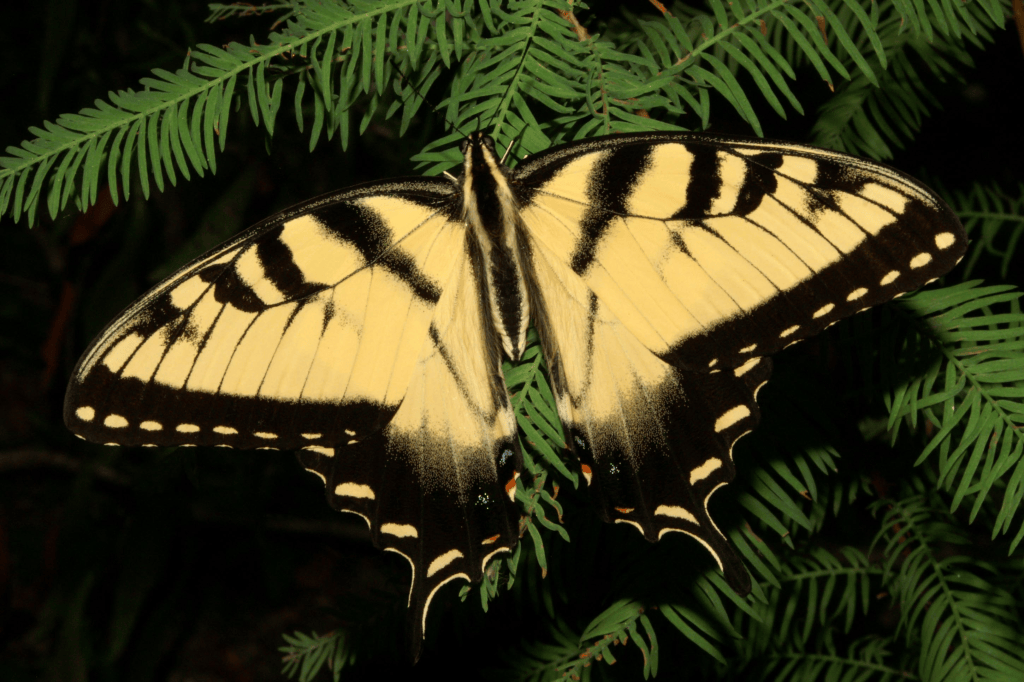
Tulip Tree (also known as Tulip Poplar or Yellow-Poplar, and many other local common names) is a special member of the Ashley Schiff Nature Preserve ecological community. The flowers are most spectacular, even though high up in the canopy. The leaves serve as the larval host for Eastern Tiger Swallowtails, Tulip Tree Beauty, and many other insects. Bees and Ruby-throated Hummingbirds feed on the nectar of their showy flowers. Birds and squirrels eat their seeds. Yellow-bellied Sapsuckers drill their characteristic horizontal lines of holes in Tulip Trees to feed on the sap. Ruby-throated Hummingbirds also take advantage of the sap from the sapsucker holes.
Leaves
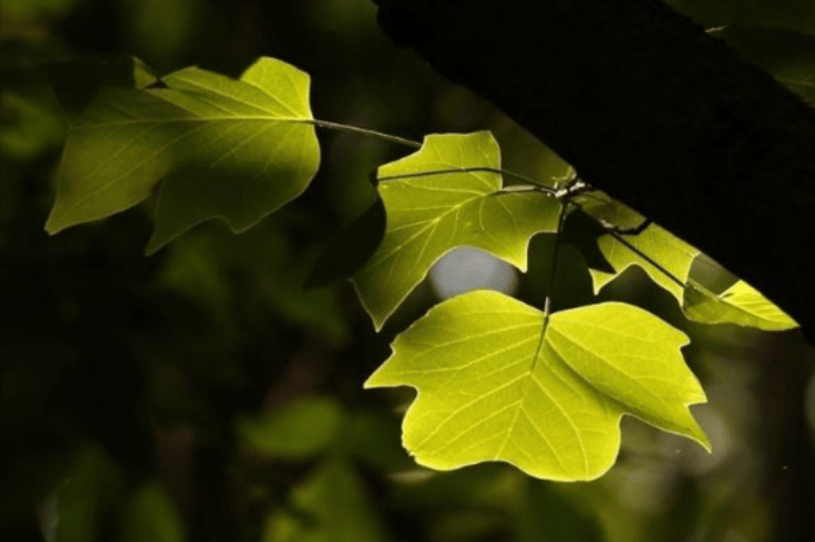
Tulip Trees are often the first to show their leaves during the spring. They begin to turn yellow early in the fall. A late summer drought can cause leaves to turn yellow and drop early.
Flowers and Seeds
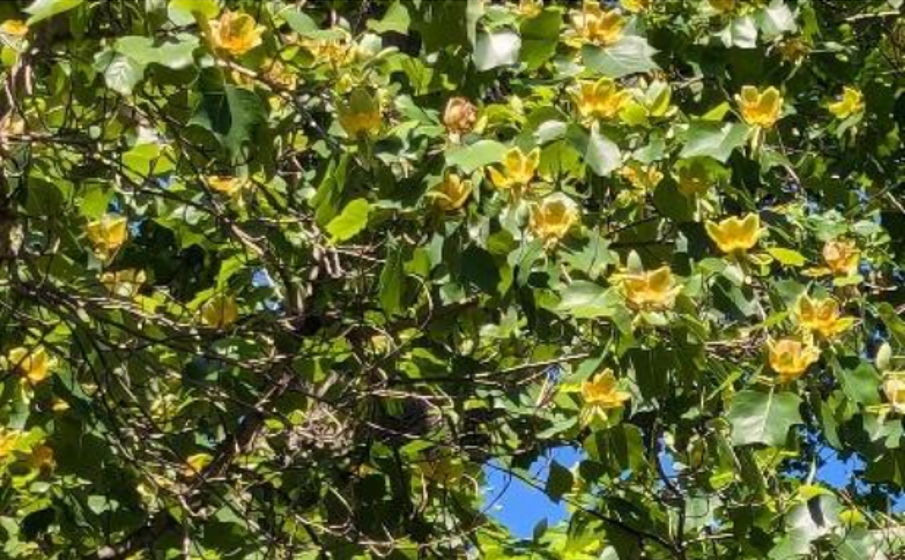
Spectacular tulip-shaped flowers bloom in mind-May after the tree “leafs out”. You must look up high to see them.
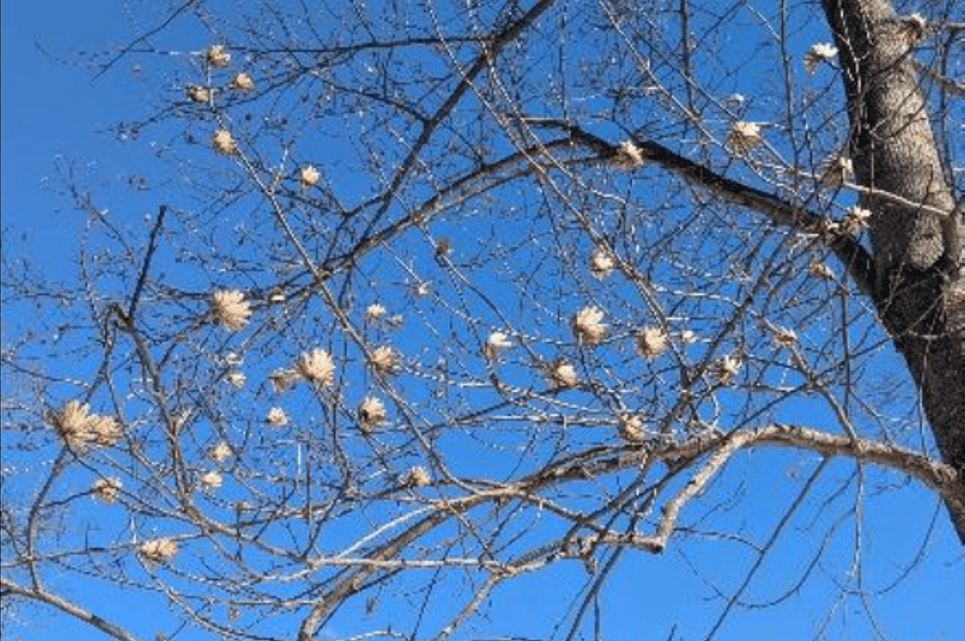
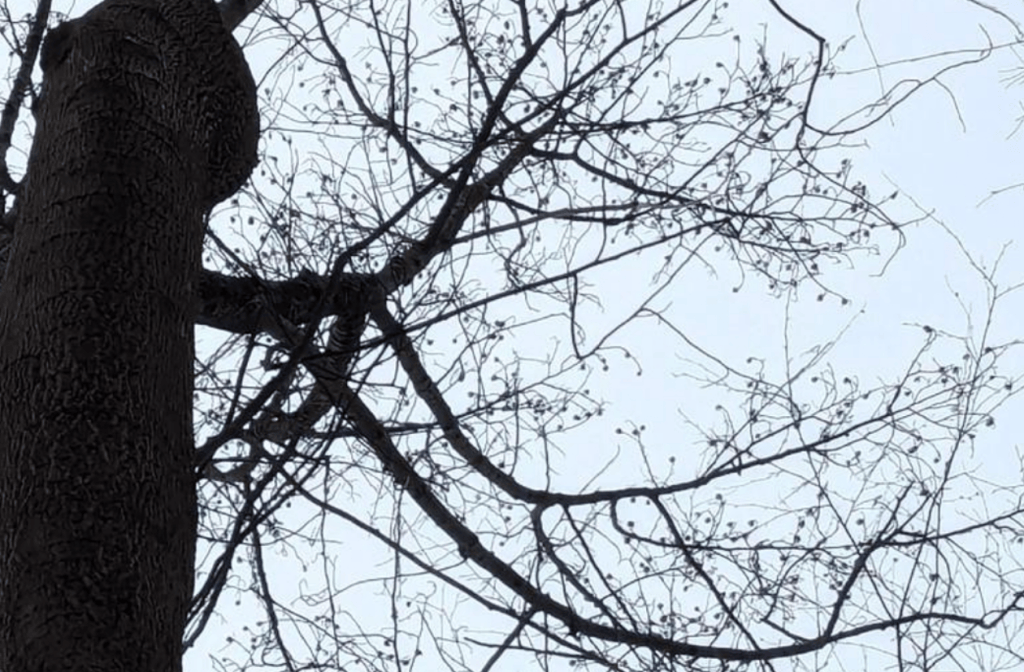
The flowers develop into cones of winged seeds called samaras. The seeds begin dropping in the fall and continue to drop until spring. The cones of samaras are shaped like the flower and are a sure way to identify Tulip Trees in winter.
Younger bark vs. Older bark
Like most young trees, the light gray-brown bark of young Tulip Trees is smooth. It soon develops characteristic flat-topped brown ridges with some orange and some whitish-grayish color in the furrows.
As the bark responds to the expanding trunk, it becomes less reddish and the intersecting ridges become deeper and develop a braided look.
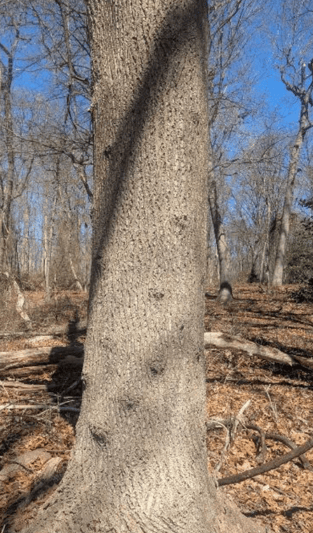
As the bark ages, the grayer intersecting ridges deepen, with more white in the furrows. The white remains until the oldest trees become uniformly gray-brown.
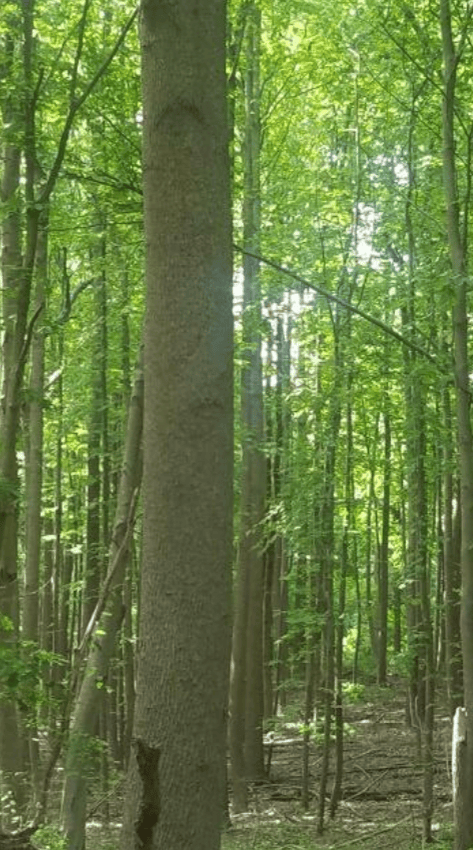
Tulip Trees are often the tallest and straightest trees in a forest unless injured. They can be so straight that a person could make a canoe from a single tree.